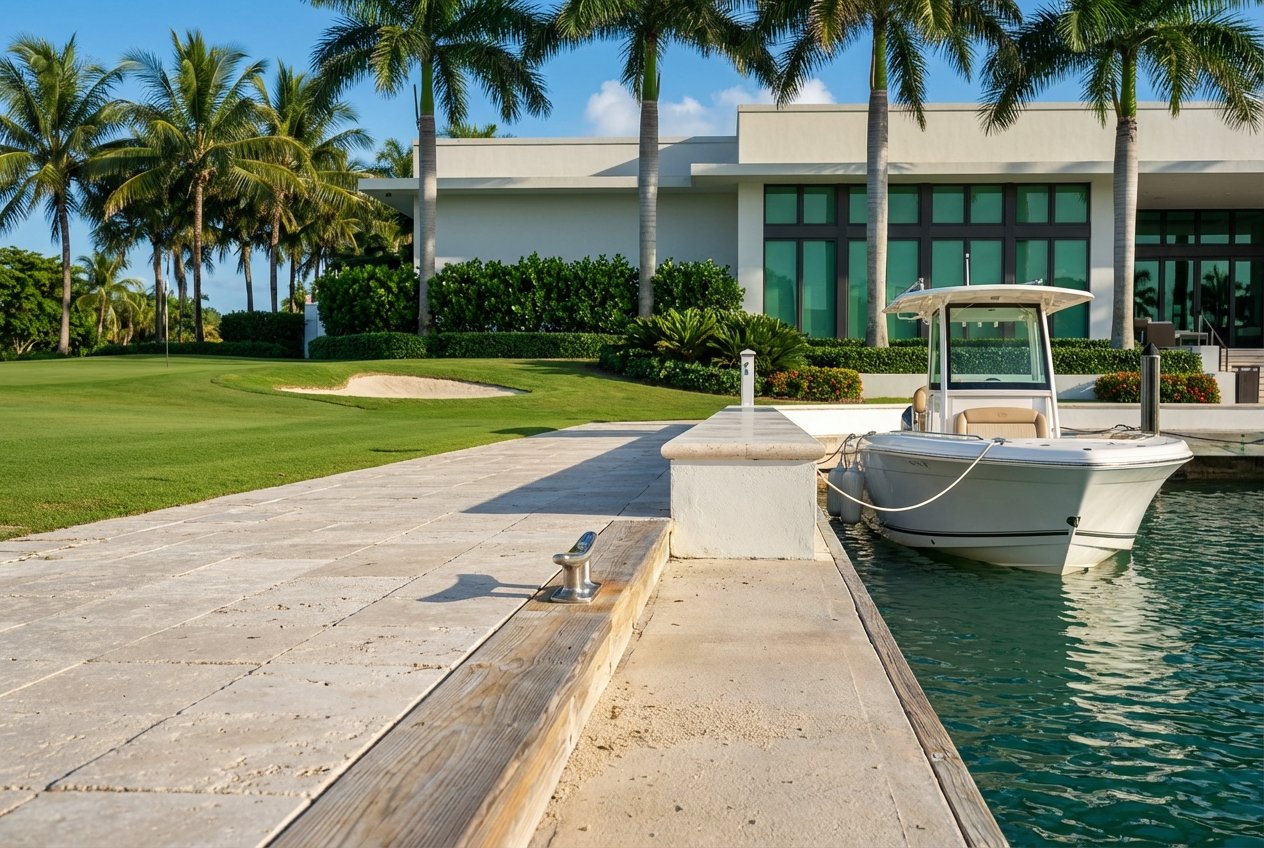
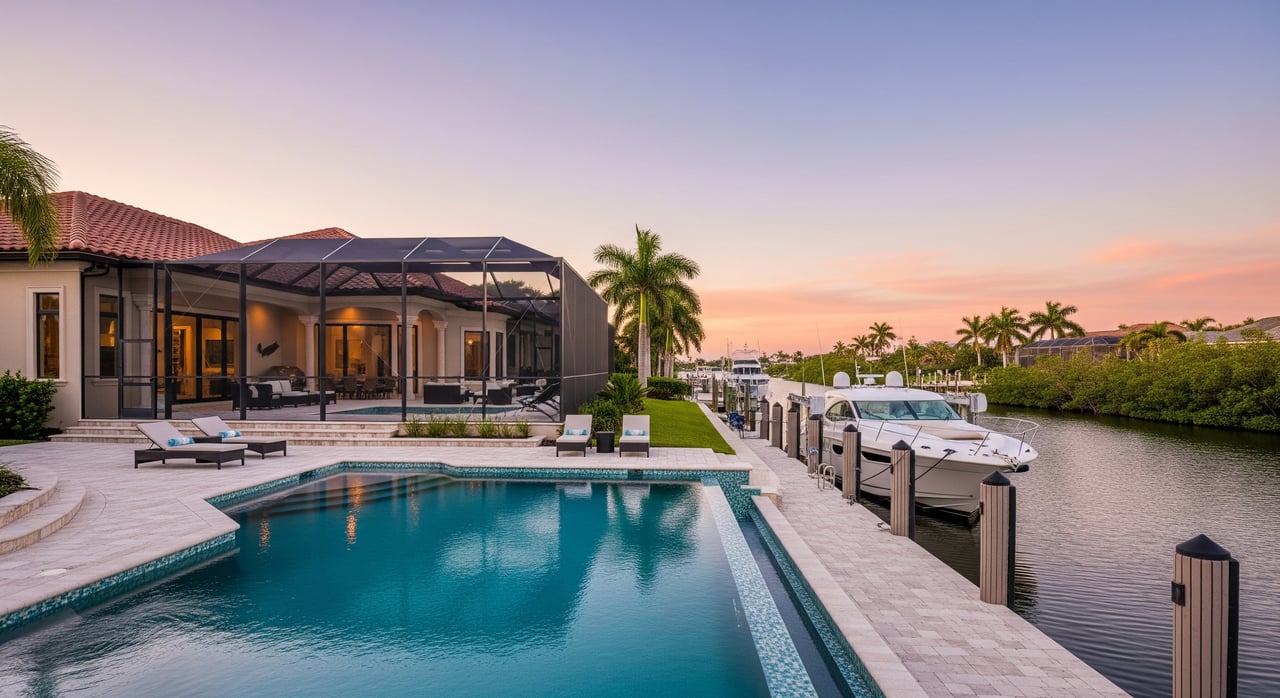
Picture yourself stepping onto the tee in the morning and watching the sunset over the marina in the evening. If you are exploring Gulf Harbour Yacht & Country Club, you are likely deciding between the ease of a condo and the freedom of a single-family home. Each path offers a distinct lifestyle, cost profile, and ownership experience. In this guide, you will learn how these options differ in day-to-day living, boating and golf access, fees and insurance, financing, and resale. Let’s dive in.
Gulf Harbour at a glance
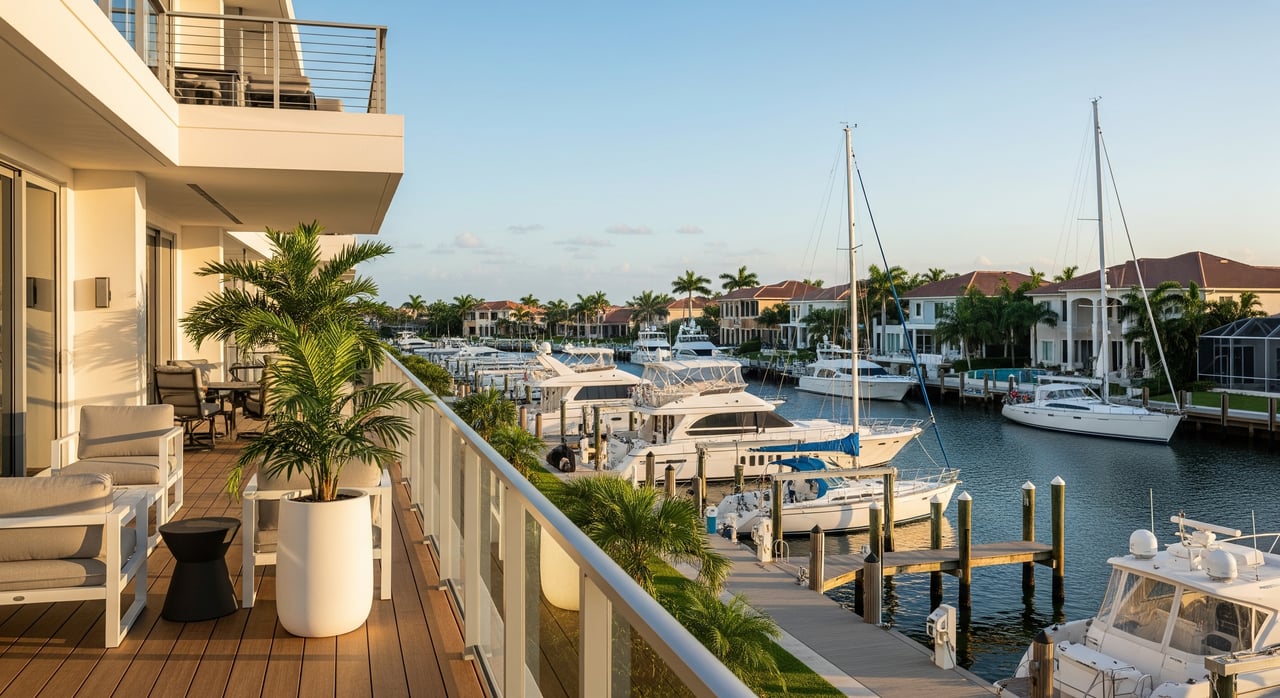
Gulf Harbour Yacht & Country Club is a gated waterfront and golf community in Fort Myers built around an 18-hole championship course and a full-service marina. Property types include mid and high-rise condos, low-rise and garden condos or villas, attached townhomes, and single-family homes on golf-course and canal lots. Many single-family homes sit on canals with private docks, while condos often offer deeded or leased slip options or access to the community marina.
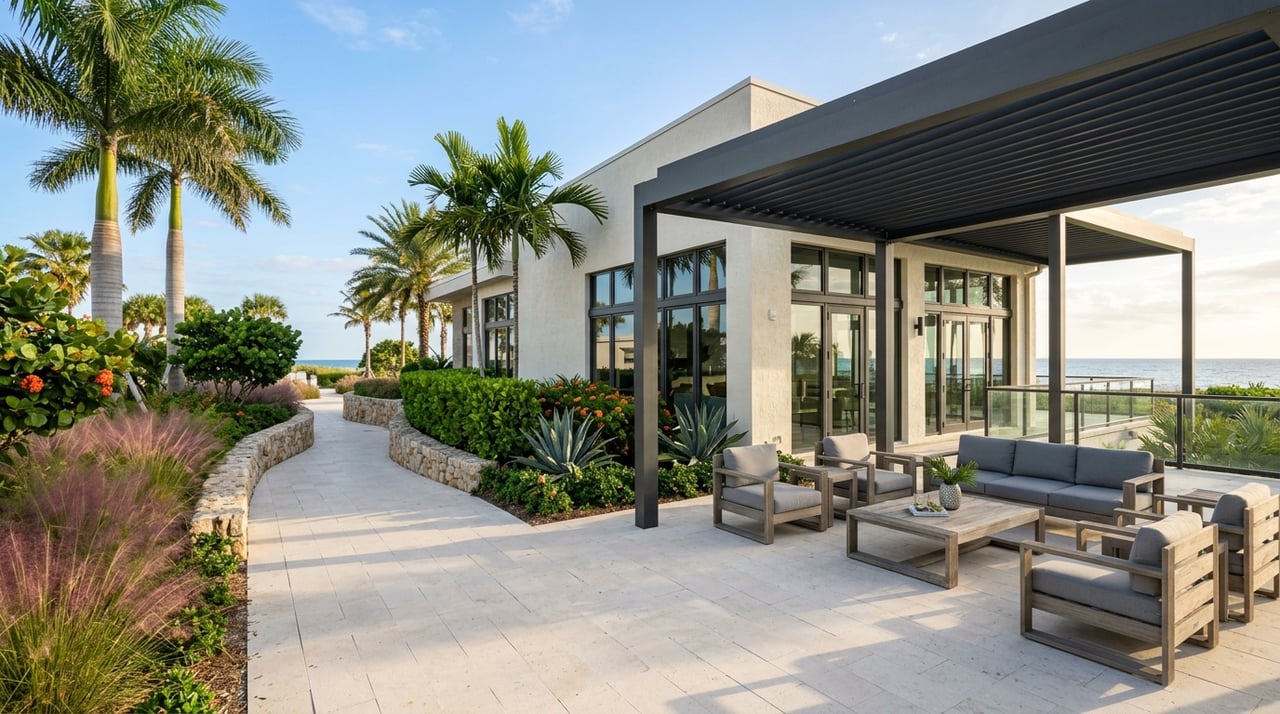
If you prioritize quick access to golf, dining, fitness, tennis, and social events, the community layout supports that lifestyle. Proximity to Fort Myers beaches, the airport, and area services also supports strong long-term livability and resale appeal.
Who each option fits
When a condo makes sense
- You want low exterior maintenance and an easy lock-and-leave setup.
- You are a seasonal or part-time resident who values convenience and building services.
- You prefer being close to amenities and do not need full control of exterior changes.
- You are an investor where rentals are allowed and aligned with association rules.
When a single-family home fits
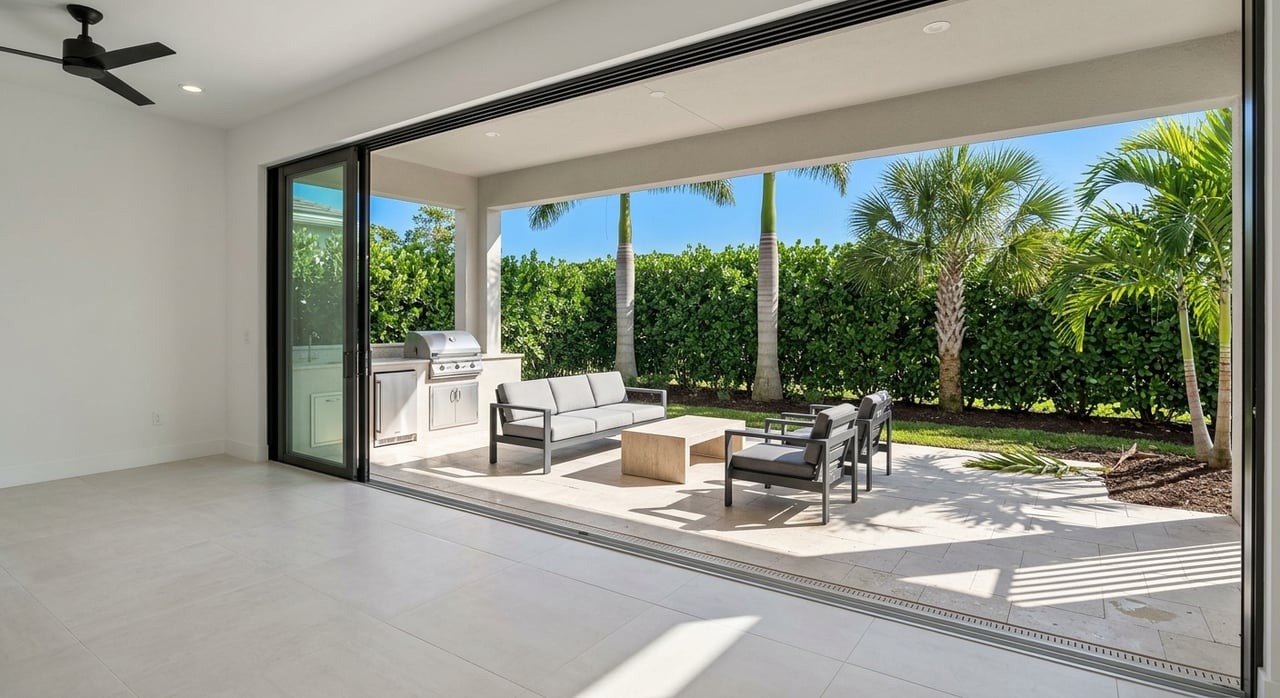
- You want private outdoor space, a yard, and more separation from neighbors.
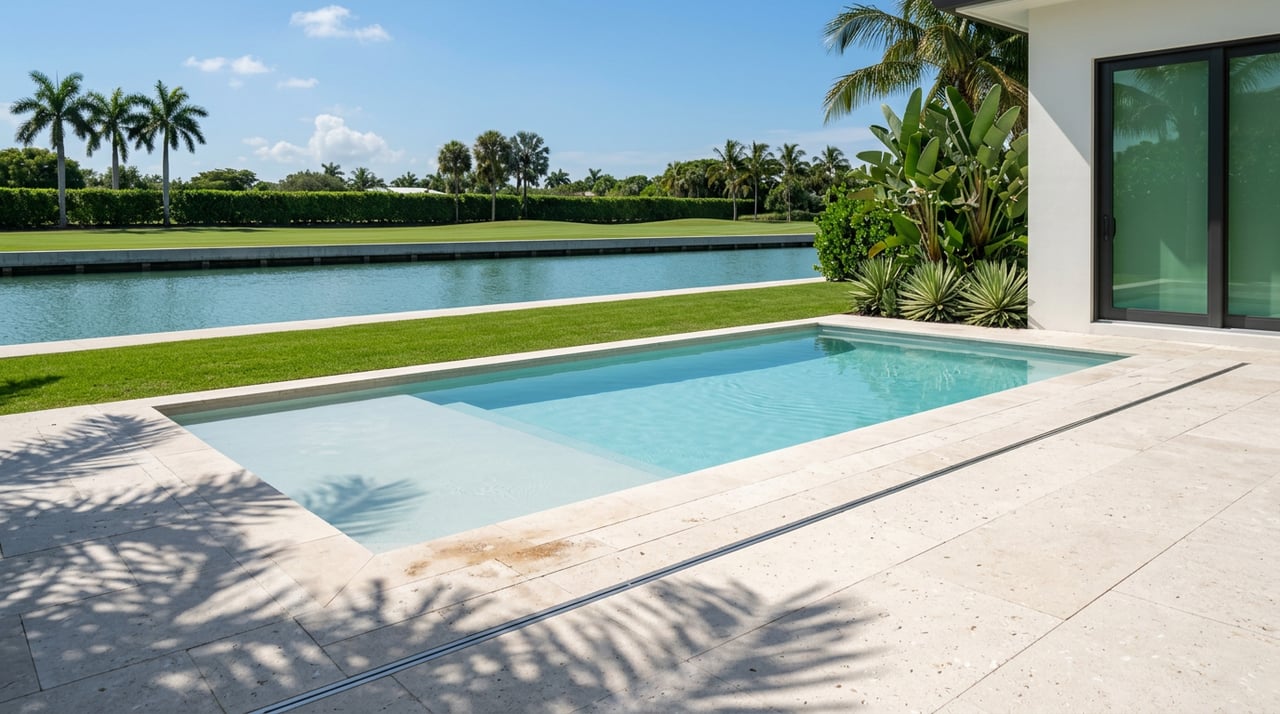
- You need the option for a private dock and direct watercraft access on a canal.
- You want more control over renovations and exterior features, subject to HOA review.
- You have a larger household or simply want more interior and garage space.
Daily living differences
Maintenance and time commitment
- Condos: Associations typically handle the roof, building exteriors, common areas, landscaping, and shared systems. You are responsible for your interiors and designated components like HVAC within the unit. This reduces time spent on upkeep.
- Single-family: You are responsible for roof and exterior, paint, landscaping, pool, irrigation, pest control, and any seawall or dock. Expect more time and higher ongoing costs, balanced by more control.
Privacy, control, and rules
- Condos: Shared walls and common spaces mean more neighbors nearby. Rules can be stricter regarding exterior changes, rentals, pets, and noise.
- Single-family: Greater physical separation and more flexibility to modify exteriors with HOA or architectural review approval. Typically fewer restrictions.
Security and access
Both product types benefit from gated community security. Many condo buildings add secure entries for lobbies and elevators, which can be a plus for part-time residents.
Boating and marina access
Condos and marina logistics
Most condo owners use community marina facilities. Some buildings or associations offer deeded or leased slips, sometimes with separate purchase or rental agreements. Important items to verify:
- Whether slips are deeded or leased, and if they transfer with your unit.
- Slip sizes, boat lift rules, and any waitlist details for wet slips or dry storage.
- Guest dock policies, insurance requirements, and any related fees.
Single-family canal homes
Canal-front homes often provide private docks and quick access to the water. Ownership brings responsibility and cost, so confirm:
- Seawall and dock condition, maintenance history, and prior permits.
- Any HOA rules governing docks, lifts, and landscaping near the waterline.
- Anticipated repair or replacement costs for seawalls and pilings.
Golf access and membership
Gulf Harbour centers life around its championship course, practice facilities, and clubhouse. Membership structures vary by category, and golf is typically a separate membership from HOA dues. Before you buy, confirm:
- Whether golf membership is mandatory or optional for your property type.
- Equity vs. non-equity membership options and initiation fees.
- Tee time access, guest policies, food and beverage minimums, and dues.
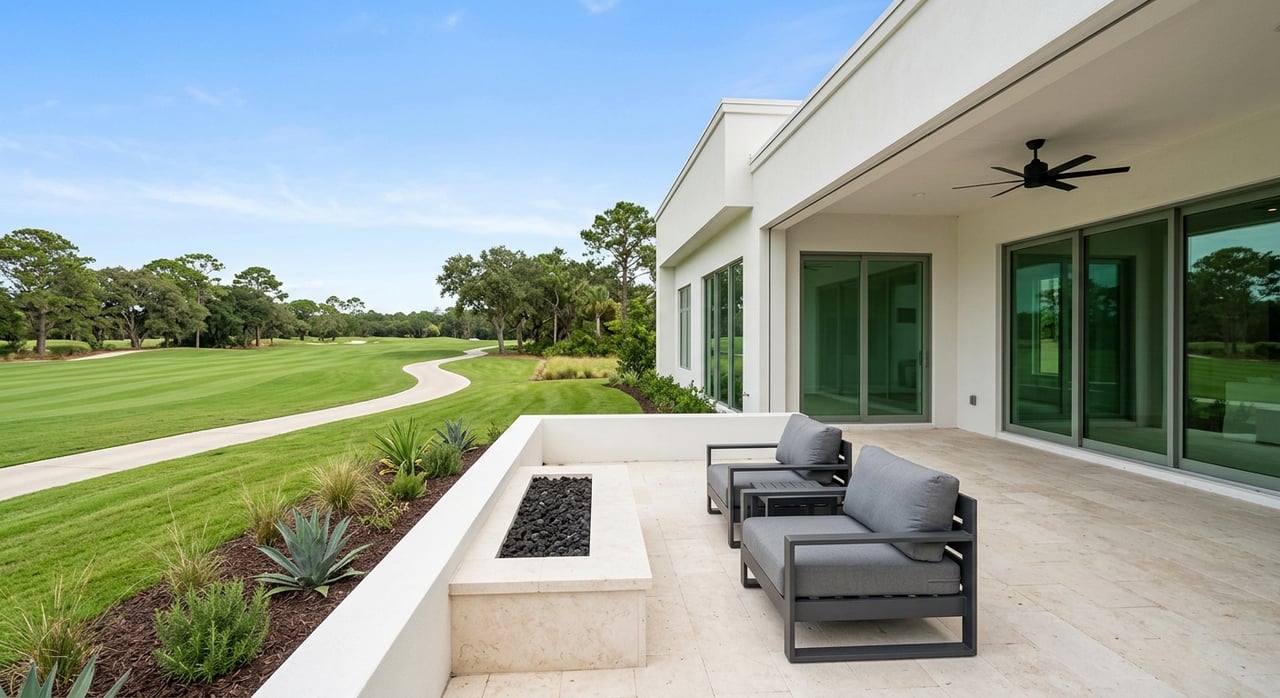
Buyers who prioritize golf should align the home choice with access needs. Many condo buildings are walkable to amenities, which some players love. Single-family homes can offer better course or water sightlines and space for gear.
Costs, fees, and insurance
HOA and condo fees to verify
Association financial health is one of the biggest variables in your decision. Request and review:
- Current dues and what they cover, including roofing, exterior paint, landscaping, building insurance, security, and utilities.
- The reserve study and funded balance, looking for underfunded reserves.
- History of special assessments and any major projects in progress.
- Rental rules, minimum lease terms, caps, waiting periods, and pet policies.
Fees vary widely across buildings and neighborhoods. Verify specifics for your short list rather than relying on averages.
Insurance basics in coastal Lee County
- Condos: The master policy usually covers the building exterior and common areas. You will carry an HO-6 policy for interior finishes, personal property, improvements, and loss assessment coverage. Confirm whether the master policy is “bare walls” or “single entity.”
- Single-family: You will carry an HO-3 or equivalent for the full structure. In coastal areas, windstorm and flood insurance can be significant and may require separate policies. Work with an insurance broker experienced in Fort Myers waterfront properties.
Flood risk and elevation
Many waterfront and canal properties in Lee County fall within FEMA flood zones. For a clear picture of risk and premiums:
- Review FEMA Flood Insurance Rate Maps and local zone designations.
- Request an elevation certificate for canal homes and any first-floor living space.
- Consider storm surge and long-term sea level trends in your risk planning.
Taxes and potential assessments
Check the Lee County Property Appraiser and Tax Collector records for tax history and whether a Community Development District fee is billed with taxes. Ask the association about any planned capital projects that could lead to special assessments.
Financing considerations
Condos
Some lenders require condo project approval for conventional, FHA, or VA loans. Financing can be limited if the building has low reserves, high investor concentration, pending litigation, or significant commercial space. Ask the association manager for project approval status and owner-occupancy ratios before you apply.
Single-family
Financing is often more straightforward for single-family homes. Waterfront homes still require flood insurance underwriting, so start insurance quotes early to align policy costs with loan approval and your budget.
Layouts, space, and resale
Typical sizes and features
- Condos: Commonly 1 to 3 bedrooms, roughly 700 to 2,500 square feet depending on building type. Many offer marina, river, or golf views and may include covered parking or garage spaces.
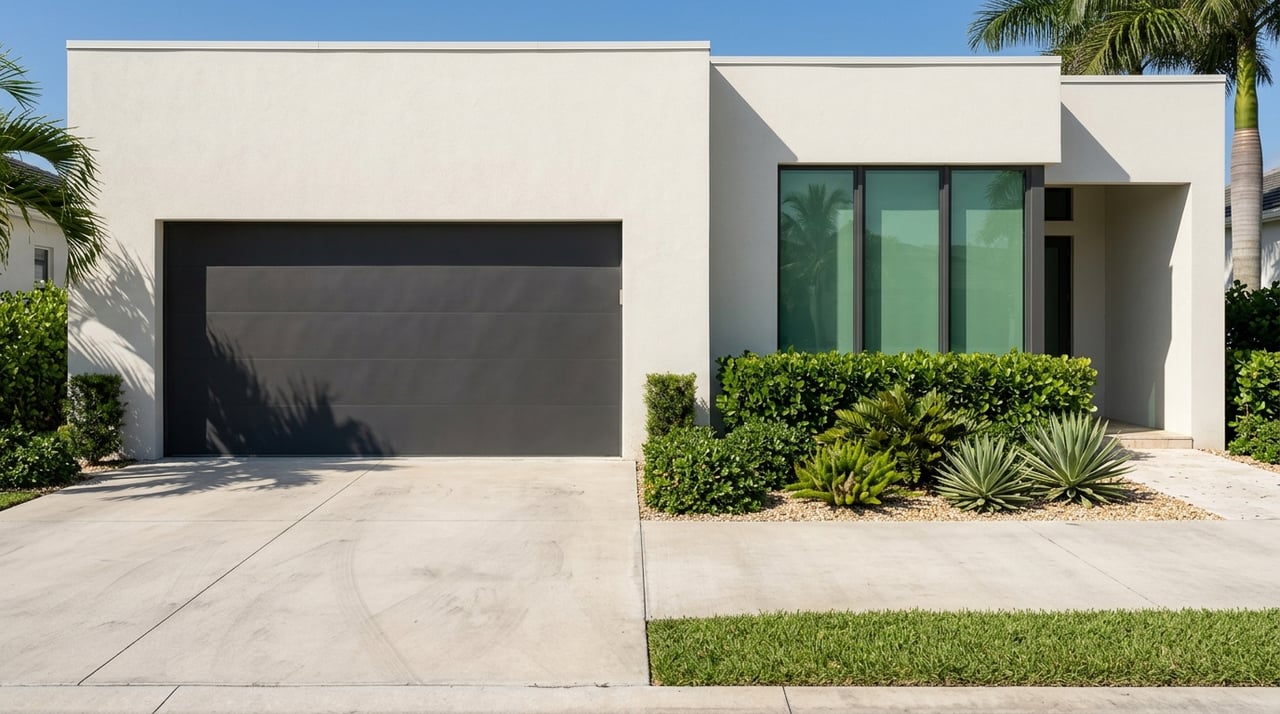
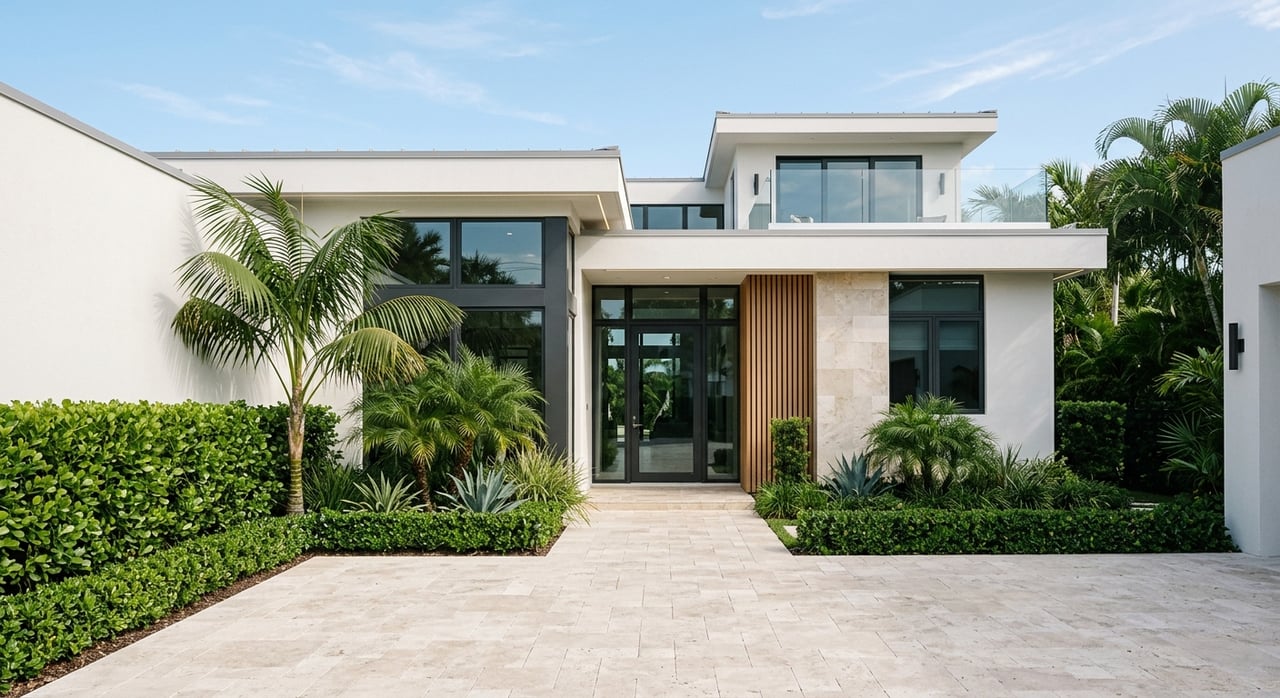
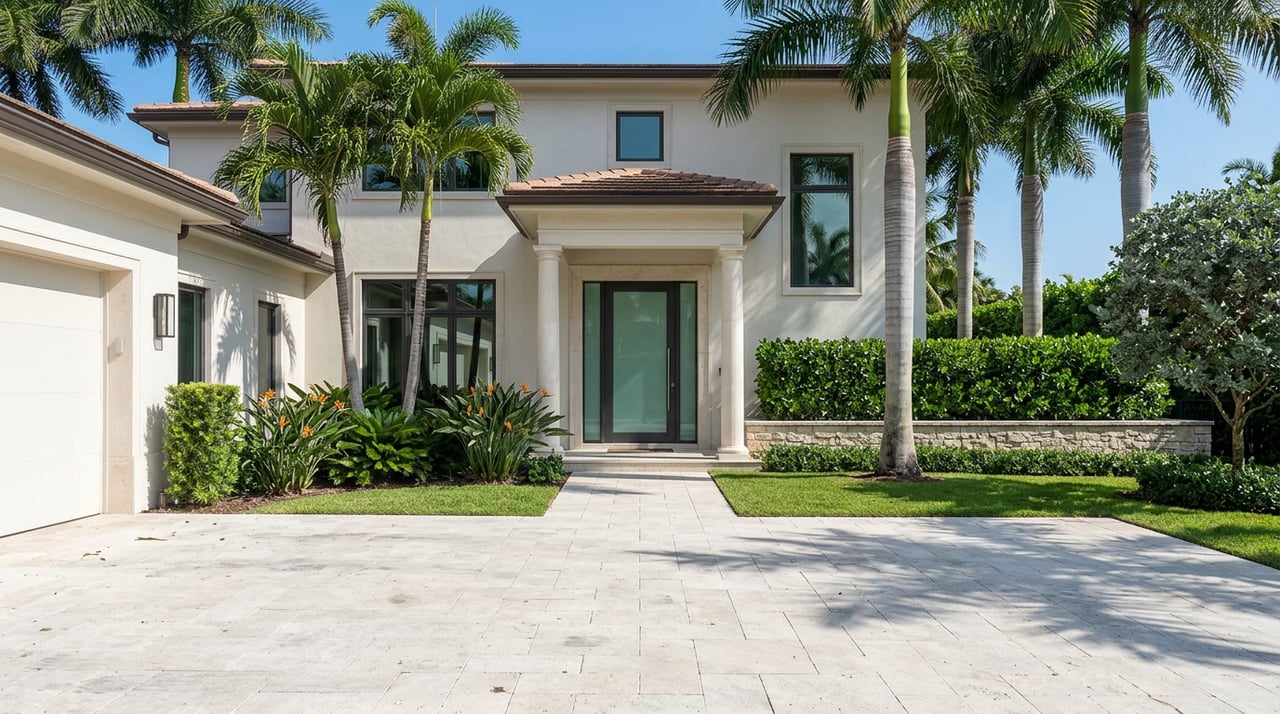
- Single-family: Ranges from smaller canal cottages to large estate homes with 2-car or 3-car garages, private pools, yards, and docks.
What drives value in Gulf Harbour
- Water and dock access, slip availability, and depth for boating buyers.
- Golf course frontage and view orientation.
- Age and condition of the property and quality of improvements.
- HOA and condo financial health, including reserves and assessment history.
- Flood elevation, seawall condition, and any past storm damage.
Condos can appeal to a broader pool of seasonal buyers seeking low maintenance, which supports liquidity. Single-family homes often carry stronger land value and can command premiums with private docks, balanced by higher carrying costs that narrow the buyer pool.
Part-time living and ease of ownership
If you are seasonal, condos typically offer simpler lock-and-leave living with building-level maintenance and secure entries. Single-family owners should plan for lawn, pool, pest, and dock services during absences. Either way, confirm how access to amenities and services works when you are away and whether any approvals are required for contractors.
Quick buyer checklist
Use this list to compare your top two or three options in Gulf Harbour:
- Association dues and coverage details, plus reserve study and balance.
- Special assessment history and any large projects planned or in progress.
- Rental, pet, and guest policies, including minimum lease terms.
- Marina slip status: deeded or leased, transferability, waitlist, sizes, and fees.
- Seawall and dock condition, permits, and maintenance history for canal homes.
- Flood zone, elevation certificate, and sample wind and flood insurance quotes.
- Condo project lending approvals and owner-occupancy ratios.
- Recent property tax bills and any CDD fees on the tax roll.
- Title exceptions, survey, and relevant HOA or architectural approvals for changes.
Which should you choose?
If you want turn-key living near the clubhouse with minimal exterior responsibilities, a condo will likely serve you well. If your top priority is a private dock, larger garages, and maximum control over your property, a single-family canal or golf-course home is a better fit. Many buyers start with a clear lifestyle priority, then compare the true cost of ownership, insurance, and association health across specific buildings or streets.
If you want a clear, apples-to-apples comparison, let a local expert help you gather HOA budgets, reserve studies, elevation certificates, and insurance quotes before you make an offer. For tailored guidance in Gulf Harbour Yacht & Country Club and nearby waterfront and golf communities, connect with Rich Morea for a consultative plan.
FAQs
What are the main differences between condos and single-family homes in Gulf Harbour?
- Condos centralize exterior maintenance and offer convenience, while single-family homes provide private outdoor space, docks on canal lots, and more control over changes.
How do marina slips work for Gulf Harbour condos?
- Some buildings offer deeded or leased slips with separate rules and fees; always confirm transferability, waitlists, sizes, and guest dock policies before you buy.
What should I review in a Gulf Harbour HOA or condo association?
- Request current dues, the reserve study, financials, meeting minutes, insurance certificates, CC&Rs, bylaws, rules, litigation disclosures, and assessment history.
Is flood insurance required for Gulf Harbour waterfront properties?
- Many canal and waterfront properties fall within FEMA flood zones, so lenders often require flood coverage; obtain an elevation certificate to refine premium quotes.
Are golf memberships mandatory with homeownership in Gulf Harbour?
- Membership terms vary; confirm whether golf is optional or mandatory, plus membership categories, initiation fees, tee time access, and any separate dues.
How does financing differ for condos versus single-family homes in Fort Myers?
- Condos may require project approval and have lending limits if reserves are low or litigation exists; single-family loans are usually simpler but still depend on insurance.
What drives resale value in Gulf Harbour Yacht & Country Club?
- Water and dock access, golf frontage, view orientation, property condition, association financial health, elevation, and seawall history are the key value drivers.